Sunday, May 22, 2011
Canyon Grasslands
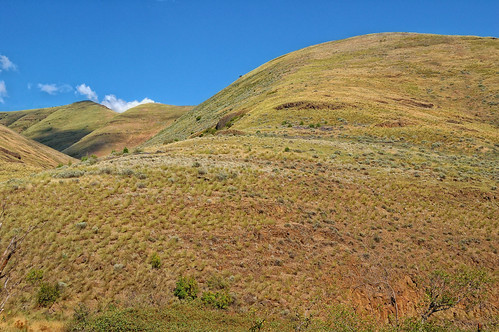
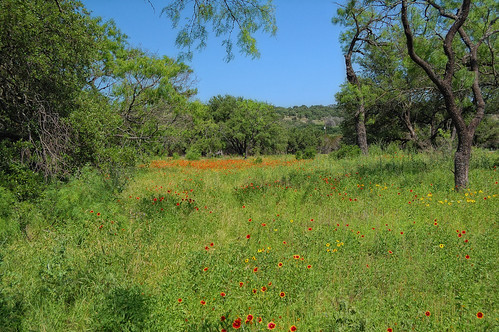
The canyon grasslands of the Snake River canyon and its immediate tributaries differ from the Palouse prairie by being drier and having less species diversity. Hairy vetch (Vicia villosa), although an aggressive nonnative species, graces this photo with some nice color.
Nisqually John Canyon Grasslands
Via Flickr:
The canyon grasslands of the Snake River canyon and its immediate tributaries differ from the Palouse prairie by being drier and having less species diversity.
North Pacific Bald
Via Flickr:
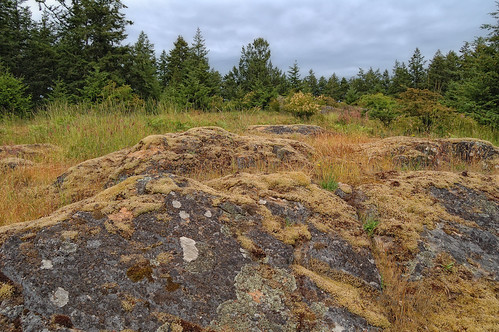
Although most of western Washington is covered with thick, dense forests, non-forested vegetation is occassionaly encountered in places like wetlands, prairies and rock outcrops like these, which are locally called "balds".
California Oat Grass (Danthonia californica)
Via Flickr:
This beautiful grass is one of the few remaining native species that has been able to withstand farming and grazing impacts which have eliminated most of the native species from the grasslands at American Camp (San Juan National Historical Park).
Coastal Bluff
Via Flickr:
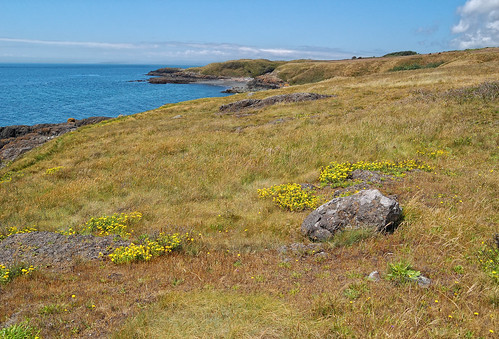
This coastal bluff had few remaining native species (due to past heavy grazing), but its beauty against the backdrop of the Straits of Juan de Fuca remains intact.
Oak Sunset
Via Flickr:
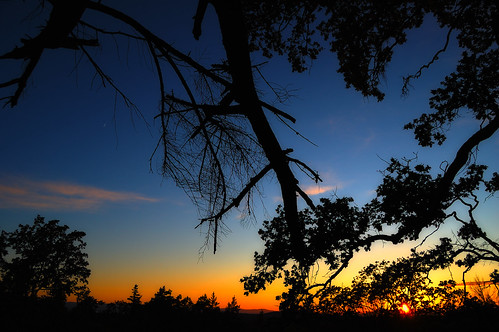
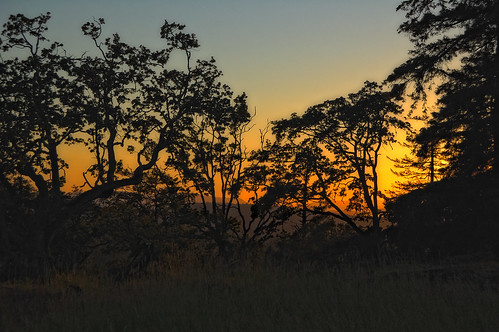
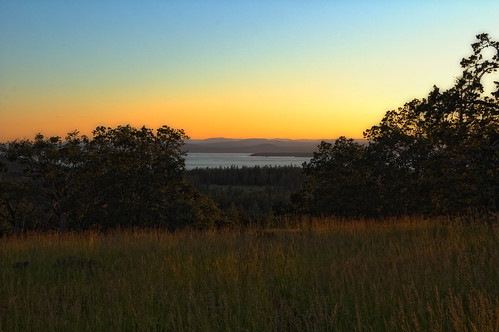
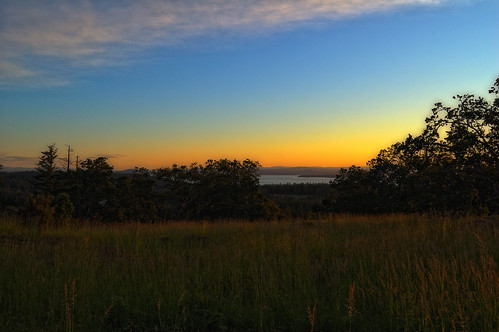
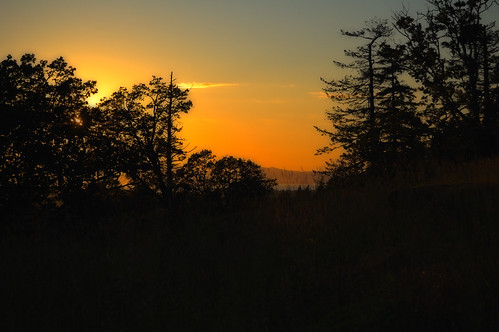
Late evening light through the canopy of an Oregon white oak (Quercus garryana) woodland. Located at English Camp (Young Hill) at San Juan Island National Historical Park.
Harvest brodiaea (Brodiaea coronaria)
Via Flickr:
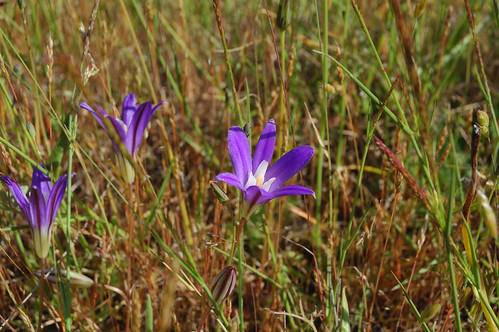
This little plant in the lily family is quite common in our grasslands here in western Washington.
Saturday, April 16, 2011
North Puget Sound Prairie Remnant
Via Flickr:
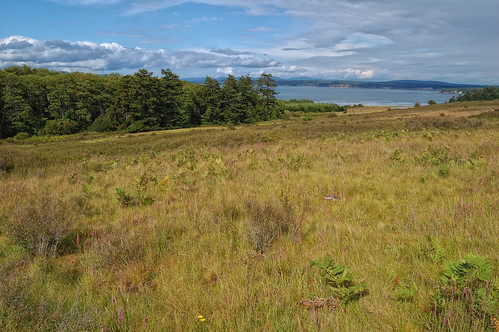
Native prairie remnant dominated by Roemer's fescue (Festuca roemeri). Located at American Camp (San Juan Island National Historical Park).
American Camp Prairie
Via Flickr:
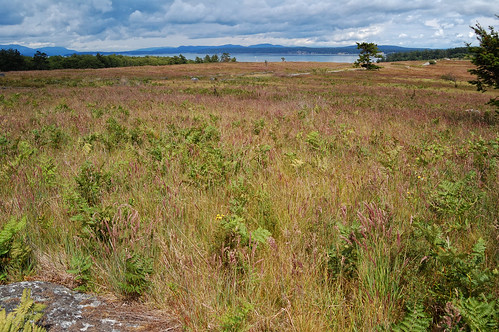
Native prairie remnant dominated by Roemer's fescue (Festuca roemeri) and California oat grass (Danthonia californica). Located at American Camp (San Juan Island National Historical Park).
Texas Savanna
Via Flickr:
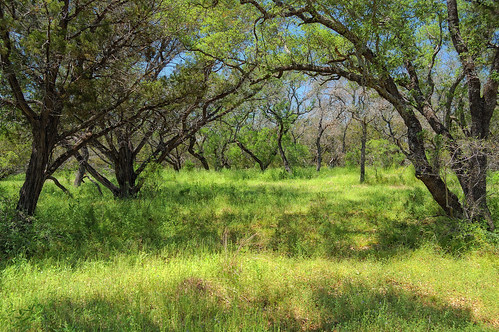
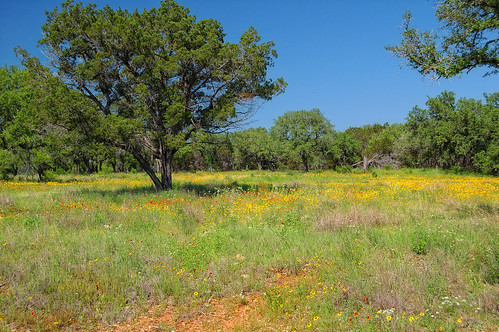
Live oak (Quercus fusiformis) and Ashe juniper (Juniperus ashei) savanna at Westcave Preserve (Texas).
Cypress Pool
Via Flickr:
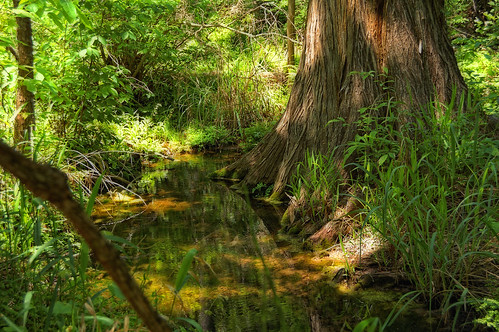
Bald cypress (Taxodium distichum) tree growing alongside a slow-moving creek. This riparian area was so lush compared to the relativley dry oak/juniper woodland found above the canyon walls.
Cypress King
Via Flickr:
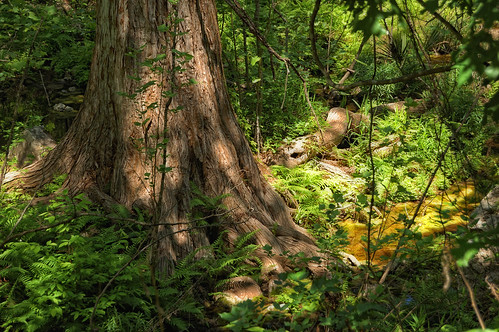
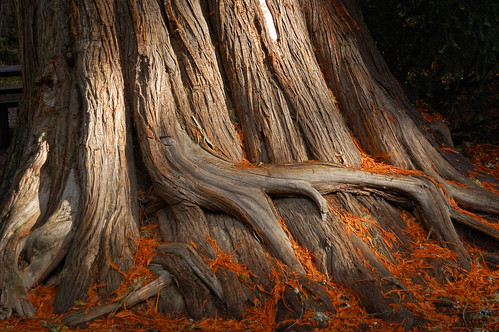
Bald cypress (Taxodium distichum) was a common component in this riparian area. Westcave Preserve, Texas Hill Country.
Taxodium Sky
Via Flickr:
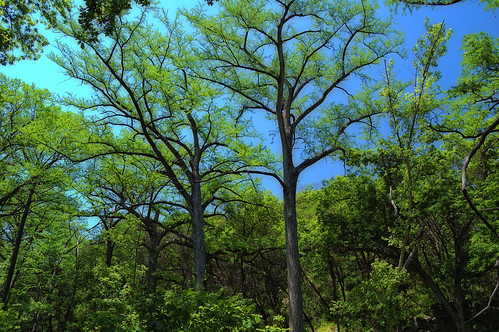
The canopies of these bald cypress trees (Taxodium distichum) were absolutely beautiful, especially against the bluebird skies.
Live Oak Woodland
Via Flickr:
Live oak (Quercus fusiformis) and Ashe juniper (Juniperus ashei) woodland at Westcave Preserve (Texas). The Texas Hill country has an interesting mix of eastern and western plants.
Friday, April 1, 2011
Live oak / Ashe Juniper Woods
Live oak savanna at the Westcave Preserve in the Texas Hill Country.
The Source
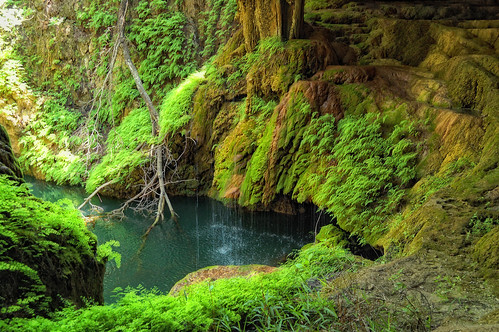
This beautiful, lush grotto is tucked away at the head of a narrow limestone canyon in the Texas Hill country.
Freehwheeling
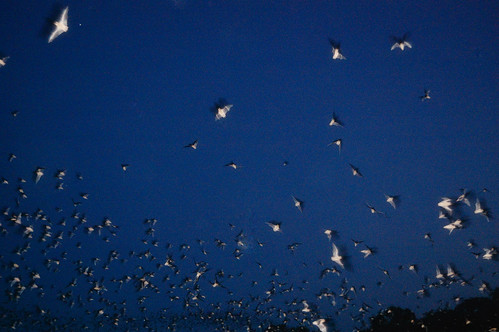
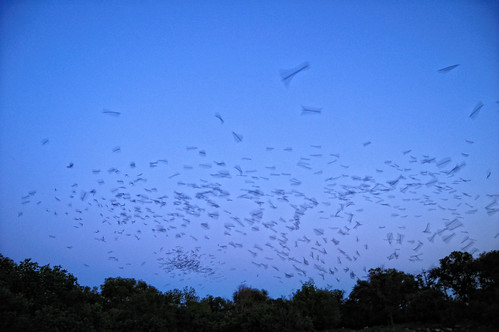
Actually, these bats are anything but freewheeling. As 20 million of them emerge from Bracken Caven each spring and summer evening, they fly out in a very orderly fashion (in a spiral "vortex") with all bats flying in the same direction. The alternative is smacking into each other and falling to the ground where flesh-eating beetles, snakes, and other critters await.
www.batcon.org/index.php/get-involved/visit-a-bat-locatio...
Wednesday, March 30, 2011
The Bat Vortex
During spring and summer evenings, 20 million bats emerge from Bracken Cave (north of San Antonio, TX). They fly out of the cave in a spiral flight pattern. This bat colony is the largest congregation of mammals in the world. Watching them emerge is an absolutely amazing experience. Kudos to Bat Conservation International for protecting this and other bat colonies.
www.batcon.org/index.php/get-involved/visit-a-bat-locatio...
Friday, April 16, 2010
Inverted Stream
Eskers are the result of sand and gravels deposited by streams that flowed within or under glaciers. Although its hard to tell in this photo, the vegetation on the esker differs from adjacent areas because of the esker's coarse soils. This particular esker is supporting a rare plant community (threetip sagebrush/bluebunch wheatgrass).